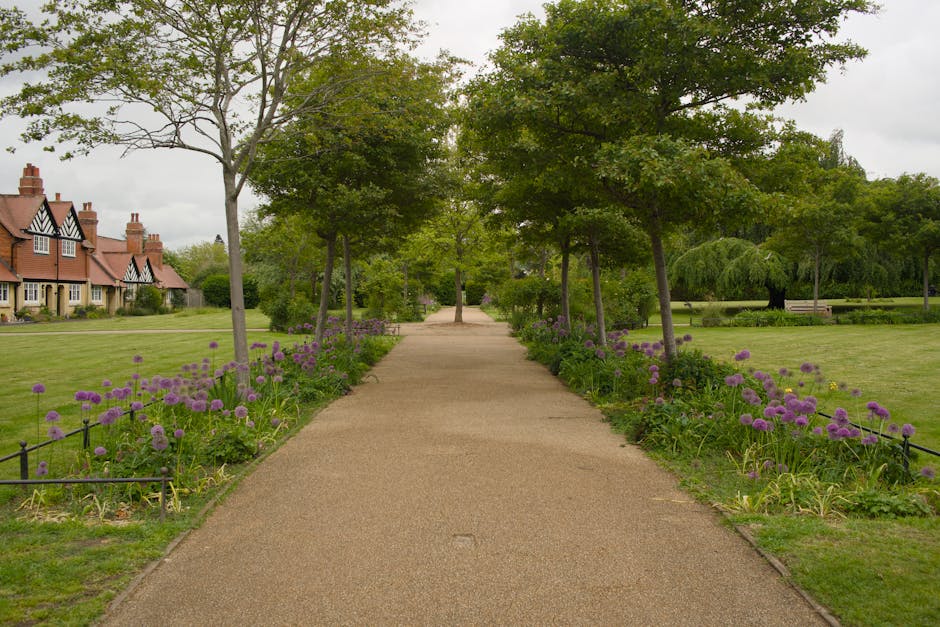
Bruce Castle Park garden maintenance by Tottenham gardeners: a practical local guide
Bruce Castle Park has a very particular feel about it: open green space, mature trees, family footfall, and that lived-in London character that can look lovely one week and a bit tired the next. If you are looking into Bruce Castle Park garden maintenance by Tottenham gardeners, you are probably after more than a quick tidy-up. You want a maintained outdoor space that feels safe, welcoming, and properly cared for through the seasons.
This guide explains what that kind of maintenance involves, why it matters, how local gardeners approach it, and what to expect if you are comparing service options. We will also cover common mistakes, useful tools, practical standards, and a few real-world considerations that tend to get missed. To be fair, garden maintenance sounds simple until you are dealing with weather swings, weeds that seem to appear overnight, and shrubs that have decided to become architectural features.
Whether you are responsible for a private garden near the park, a shared outdoor space, or a property that needs regular upkeep in Tottenham, the aim is the same: keep things healthy, neat, and manageable without overcomplicating the job.
Table of Contents
- Why Bruce Castle Park garden maintenance by Tottenham gardeners Matters
- How Bruce Castle Park garden maintenance by Tottenham gardeners Works
- Key Benefits and Practical Advantages
- Who This Is For and When It Makes Sense
- Step-by-Step Guidance
- Expert Tips for Better Results
- Common Mistakes to Avoid
- Tools, Resources and Recommendations
- Law, Compliance, Standards, or Best Practice
- Options, Methods, or Comparison Table
- Case Study or Real-World Example
- Practical Checklist
- Conclusion
- Frequently Asked Questions
Why Bruce Castle Park garden maintenance by Tottenham gardeners Matters
Garden maintenance is not just about making things look tidy for a day or two. Around Bruce Castle Park, where gardens often face shade from trees, compacted soil, regular leaf fall, and the usual London combination of rain, sun, and surprise wind, maintenance becomes part of protecting the space itself.
When outdoor areas are left too long without attention, small problems compound. A few weeds become a patch. A hedge grows awkwardly and starts blocking light. Moss builds up on hard surfaces. Lawn edges get ragged, and suddenly the whole garden looks neglected even if it is still structurally sound. That is why Tottenham gardeners typically approach maintenance as an ongoing process rather than a one-off clean-up.
There is also the matter of usability. A garden near Bruce Castle Park may need to serve as a play area, a quiet sitting space, a dog-friendly zone, or simply somewhere that feels pleasant to look at from the house. Good maintenance keeps the space functional, not just presentable. It helps with drainage, reduces trip hazards, and keeps planting healthy enough to recover from seasonal stress.
If the garden has been struggling for a while, a more structured approach may help. In some cases, services linked to regular garden maintenance are the simplest way to bring order back without redoing everything from scratch. And if you are dealing with heavy overgrowth, a bigger reset can be supported by advice from this guide to reshaping a neglected garden.
How Bruce Castle Park garden maintenance by Tottenham gardeners Works
In practice, local garden maintenance usually starts with a quick assessment. A good gardener looks at the layout, the plant types, the lawn condition, the amount of shade and moisture, and what the space is actually used for. That sounds obvious, but it matters. A small courtyard garden and a family garden bordering mature trees need very different routines.
A typical maintenance visit may include several tasks in one round: mowing, edging, weeding, hedge shaping, deadheading, pruning, leaf clearing, and general tidying. Sometimes it also includes patio cleaning, light clearance of ivy, or preparing beds for the next season. The idea is not to do everything every time, but to keep the garden moving in the right direction.
Most Tottenham gardeners will also work with seasonal priorities. Spring tends to focus on growth control and recovery after winter. Summer needs water management, regular cutting, and keeping borders from running wild. Autumn is dominated by leaf collection, cutting back, and composting. Winter is calmer, but not inactive; it is often the best time for structural tidying, planning, and protection.
For a lot of households, the service is bundled with related work such as lawn care, lawn mowing, or hedge trimming. That keeps the work consistent and avoids the common trap of letting one area race ahead while another is ignored. A garden can look oddly worse when only half of it is maintained. Bit annoying, really.
Key Benefits and Practical Advantages
There are obvious visual benefits, of course. A maintained garden looks better. But the practical gains are usually the stronger reason people keep up with routine care.
- Healthier planting: Regular pruning, feeding, and weed control reduce stress on shrubs, perennials, and turf.
- Lower long-term effort: Small, frequent work is easier than a full-scale rescue later.
- Better safety: Clear paths, managed edges, and tidy access points reduce slips and trips.
- Improved usability: You can actually sit, walk, play, or entertain without fighting the garden.
- Stronger curb appeal: This matters whether you are living there, letting the property, or simply trying to keep the place feeling cared for.
- Seasonal resilience: Gardens maintained through the year tend to recover better after storms, drought spells, or cold snaps.
There is a subtler benefit too: maintenance helps you notice problems early. You spot pests before they spread. You see when a shrub is suffering from poor drainage. You realise an ivy patch is moving from "cosy" to "slightly alarming" before it gets into brickwork or fence lines. If ivy has already become a nuisance, it is worth reading these proven ivy removal methods.
For greener practices, garden waste can be managed productively rather than treated as rubbish. A lot of cuttings can be turned into mulch or compost, and that aligns nicely with the practical ideas in this article on organic waste and soil health. In the right setting, what looked like mess becomes food for the next growth cycle.
Who This Is For and When It Makes Sense
This kind of garden maintenance is useful for a wide range of people, but the triggers are usually quite specific.
You may need regular support if:
- your garden is too large to manage comfortably every week;
- you have been missing seasonal jobs and the space is drifting;
- your lawn has thin patches, weeds, or poor colour;
- hedges and shrubs are starting to block light or views;
- you want the garden to feel better for children, guests, or pets;
- you have mobility, time, or equipment limitations;
- you are preparing a property for sale, rental, or a special event.
It also makes sense if the garden is simply hard to keep on top of because of location. A shady backyard near mature trees in Tottenham can be very different from a sunny front garden. Damp areas, tree roots, and wind exposure all affect how often maintenance is needed. If wind is a recurring issue, the advice in this guide to protecting plants from strong wind is worth a look.
For families, maintenance often means keeping the garden usable rather than fancy. For dog owners, it is about safe plants, clear surfaces, and avoiding harsh materials. For people who like quiet outdoor spaces, it may mean a calmer design with more structure. If that sounds like you, the ideas in creating a botanical paradise that is safe for dogs may be useful.
And if your garden has become a bit too ambitious for the time you have available, there is no shame in simplifying. Actually, that is often the smartest move.
Step-by-Step Guidance
If you want to understand how a good maintenance visit usually unfolds, here is the practical version.
- Assess the space. Look at lawn condition, border health, weeds, hedge growth, hard surfaces, drainage, and any safety concerns.
- Set priorities. Decide what must happen now and what can wait. A broken branch, for example, outranks cosmetic trimming.
- Clear obvious debris. Remove leaves, fallen twigs, dead plant matter, and rubbish that blocks access or attracts pests.
- Deal with weeds and invasive growth. Tackle the roots where possible, not just the tops. Otherwise they come right back, smugly.
- Cut and shape. Mow lawns, trim hedges, prune shrubs, and edge borders to restore definition.
- Check plant health. Remove dead or diseased material, water if needed, and look for signs of stress.
- Clean hard surfaces. Sweep patios, clear moss or grime where appropriate, and reduce slip risks.
- Finish with a tidy inspection. The final walk-through catches little things that can be easy to miss.
In a more detailed maintenance plan, you may also include mulching, soil improvement, planting adjustments, and soft landscaping changes. For example, if the garden has bare patches under trees, a solution might be ground cover rather than trying to force turf where it will never thrive. That is a small judgement call, but it makes a huge difference over time. You can explore planting ideas in this ground cover plant guide.
When the garden feels cluttered and inconsistent, structural changes can help. In those cases, a wider service such as landscaping may be more appropriate than routine upkeep alone. Sometimes the best maintenance is a sensible redesign.
Expert Tips for Better Results
Experienced Tottenham gardeners usually rely on a few simple habits that keep maintenance effective without making it fussy.
1. Work with the garden's conditions, not against them
Shade, soil type, drainage, and wind exposure all affect what will thrive. If something keeps failing in the same spot, the location may be the issue, not your care routine.
2. Keep on top of weeds early
Weeding small and often is far better than waiting for a full takeover. It is the least glamorous part of the job, admittedly, but it pays off fast. If you want practical techniques, these approaches to staying ahead of weed growth are a solid reference point.
3. Use pruning to improve structure, not just size
Pruning should open light, improve air movement, and support healthy growth. A plant that is merely "shorter" is not always better pruned.
4. Let some features do more than one job
Vertical planting, climbers, container displays, and evergreen screens can add privacy, texture, and seasonal interest all at once. Useful, neat, and less effort than maintaining a dozen separate features. Vertical gardening ideas can be especially practical in smaller Tottenham spaces.
5. Make room for winter planning
Winter is not just a dead zone. It is often the best time to think about structure, protection, and future planting decisions. If you want to keep a garden looking decent when temperatures drop, this winter garden guide is a helpful companion.
6. Do not ignore the hard surfaces
Patios, paths, and timber areas shape how the whole garden feels. A clean planting bed beside a dirty path still looks half-finished. For outdoor surfaces, patio cleaning and decking services can make the difference between tidy and genuinely cared for.
Common Mistakes to Avoid
Most garden problems do not start dramatically. They begin with one or two decisions that seemed harmless at the time.
- Cutting too much at once: Over-pruning can stress shrubs and leave ugly gaps.
- Ignoring the roots of weeds: A quick surface pull rarely solves the issue for long.
- Using the wrong plant in the wrong place: Sun lovers in shade, moisture lovers in dry borders, and so on. It becomes a revolving door of disappointment.
- Leaving leaf litter in damp areas: It can encourage rot, smother grass, and create slippery patches.
- Forgetting boundary growth: Hedges, ivy, and overhanging branches can quietly become major problems.
- Skipping seasonal checks: A garden that looks fine in May may need a very different approach by November.
Another common mistake is overcomplicating the schedule. You do not need a perfect system. You need one that gets used. A modest routine carried out regularly beats an ambitious plan that never survives the week. Truth be told, that applies to most things in life.
If trees are affecting light, safety, or access, do not guess your way through it. A specialist tree surgery service may be the more sensible route, especially where branches are large, unstable, or close to structures.
Tools, Resources and Recommendations
A well-run maintenance visit usually depends on the right kit, but not necessarily a massive amount of it. The best tools are the ones that match the job and are kept in decent condition.
| Tool or resource | Useful for | Why it matters |
|---|---|---|
| Hand shears and secateurs | Pruning, shaping, deadheading | Cleaner cuts and better control in tight spaces |
| Robust mower | Lawn maintenance | Consistent cutting and a neater finish |
| Rake and leaf collector | Autumn clear-up | Prevents smothering and keeps paths safe |
| Weed removal tools | Borders, paving, edges | Helps remove roots instead of just foliage |
| Gloves and eye protection | General garden work | Basic safety, especially with thorny or dusty jobs |
| Compost or mulch | Soil improvement | Feeds the ground and supports moisture retention |
For homeowners who like to do part of the work themselves, this overview of outdoor garden tools is a useful starting point. If your space is small or awkward, containers can also make maintenance simpler, and container gardening is worth considering.
There are also some service pages that sit naturally alongside regular garden care. A practical package might include lawn care, fencing for boundary repairs, or broader gardening services where the work needs a more complete approach. The right mix depends on the site. No two gardens, even on the same road, behave quite the same way.
Law, Compliance, Standards, or Best Practice
For most domestic gardens, the main concerns are not bureaucracy-heavy, but there are still important standards and duties to keep in mind. You should avoid unsafe work practices, take care around ladders and power tools, and make sure waste is handled responsibly. In shared or public-facing spaces, that matters even more.
Good practice usually means:
- working safely and wearing appropriate protective gear;
- keeping access routes clear;
- disposing of garden waste responsibly;
- avoiding damage to neighbouring property or boundaries;
- checking whether larger trees, hedges, or structures need specialist attention;
- respecting privacy, access, and property agreements where relevant.
Where a garden adjoins a public route, busy pavement, or communal setting, overhanging growth and loose debris can become a nuisance or hazard. A careful maintenance approach reduces that risk. If you want to understand the provider side of safe working, the health and safety policy and insurance and safety information are useful trust points to review before booking.
There are also practical housekeeping issues that support a professional experience, such as clear terms, secure payment, and a fair complaints route if something goes wrong. Those details are not exciting, but they matter more than people think. You can review terms and conditions, payment and security, and the complaints procedure as part of due diligence.
Options, Methods, or Comparison Table
When people compare garden maintenance options, they are usually deciding between doing it themselves, booking a one-off tidy, or arranging recurring support. Each has a place.
| Approach | Best for | Pros | Trade-offs |
|---|---|---|---|
| DIY upkeep | Small, manageable gardens | Low direct cost, flexible timing | Easy to fall behind, equipment required |
| One-off tidy | Overgrown or event-prep spaces | Fast visual improvement | Needs follow-up to stay tidy |
| Regular maintenance | Busy households, larger or mixed-use gardens | Consistent results, fewer surprises | Ongoing commitment |
| Maintenance plus landscaping | Gardens needing structural improvement | Fixes root problems, not just symptoms | More planning and cost |
If the space has become unmanageable, a reset visit followed by routine maintenance is often the most practical route. That tends to suit gardens that have drifted over a season or two. For a lot of people, it is the sweet spot: enough intervention to restore order, but not so much that the garden loses its character.
There is also a social side to this. Gardens near Bruce Castle Park often function as extensions of the home. Some need to be child-friendly, some dog-friendly, some just calm and attractive. If children are part of the picture, this guide to child-friendly outdoor spaces offers a few good ideas.
Case Study or Real-World Example
Imagine a modest back garden in Tottenham, a few minutes from Bruce Castle Park. It has a narrow lawn, one shady border, a hedge that grew faster than expected, and a patio that has become a bit slippery after a wet autumn. Nothing dramatic. Just the usual backlog.
The first visit focuses on clearing clutter, cutting back the hedge, removing weeds from the border, and mowing the lawn to a healthier height. The patio is swept and cleaned, edges are defined, and the garden waste is removed. By the end, the space is not transformed into something artificial or overdesigned. It just works again. Light reaches the seating area, the lawn feels softer underfoot, and the garden stops nagging at the homeowner every time they look outside.
On the next visit, maintenance shifts slightly. The gardener checks whether the hedge is throwing too much shade, whether the border would benefit from ground cover, and whether the lawn needs feed or overseeding. A few evergreen climbers are suggested for a blank fence panel, partly for structure and partly for interest through winter. That is the sort of practical thinking that makes maintenance durable rather than cosmetic.
If the homeowner likes the idea of a calmer, more purposeful layout, they might borrow ideas from zen garden design principles or add useful features like seating through garden seating ideas. A little intention goes a long way, especially in smaller urban spaces.
Practical Checklist
Use this checklist before, during, or after a maintenance visit.
- Check what needs immediate attention versus what can wait.
- Remove leaves, twigs, and obvious debris first.
- Inspect lawns for uneven wear, weeds, and bare patches.
- Trim hedges and shrubs before they block light or access.
- Prune dead, damaged, or crossing stems.
- Clear paths, patios, and decking of slippery build-up.
- Look for signs of pests, disease, or poor drainage.
- Collect and reuse organic waste where appropriate.
- Review boundaries, fences, and climbing plants.
- Plan the next seasonal task before the garden slips back.
If you prefer a gentler, eco-aware routine, it is worth pairing this with ideas from harnessing garden power for climate responsibility. Small choices add up. They really do.
Get a free quote today and see how much you can save.
Conclusion
Bruce Castle Park garden maintenance by Tottenham gardeners is ultimately about keeping a garden useful, healthy, and pleasant to be in, not just neat for a photograph. The best maintenance plans respect the character of the space, work with the local conditions, and keep the job manageable across the year.
For some people, that means regular mowing, hedge trimming, and weed control. For others, it means restoring an overgrown garden first, then settling into a lighter routine. Either way, the goal is the same: less stress, more enjoyment, and a garden that feels like part of the home instead of a problem waiting at the back door.
If you are thinking about next steps, start with a proper assessment, choose the level of support that fits your routine, and focus on the practical wins first. A good garden does not have to be perfect. It just has to be alive, usable, and looked after with a bit of care. That is usually enough.
A well-kept garden has a quiet way of improving the whole day.
Frequently Asked Questions
What does Bruce Castle Park garden maintenance by Tottenham gardeners usually include?
It usually covers mowing, edging, hedge trimming, weeding, pruning, leaf clearance, and general tidying. Some visits also include patio cleaning, waste removal, or small planting adjustments depending on the garden's condition.
How often should garden maintenance be carried out?
That depends on the garden size, season, and how quickly things grow. Many gardens benefit from fortnightly or monthly care during the growing season, with lighter attention in winter.
Is a one-off garden tidy enough for an overgrown garden?
It can help a lot, especially if the space has simply been neglected for a while. But if growth is fast or the garden is structurally messy, a one-off tidy often works best when followed by regular maintenance.
Can maintenance help improve a shady garden near Bruce Castle Park?
Yes. Shade-tolerant planting, better pruning, and appropriate ground cover can make a big difference. The key is to choose plants and routines that suit the conditions rather than fight them.
What should I do if ivy is spreading across walls or fences?
Act early. Ivy can become stubborn if left alone, and careful removal is usually easier than rescue work later. If it is already established, professional help is often the safest option.
Do gardeners remove and dispose of waste?
Usually, yes, if that service is included. It is worth confirming whether waste removal, composting, or green waste collection is part of the quote before work begins.
How do I know whether I need garden maintenance or landscaping?
If the garden mainly needs routine care, maintenance is the right fit. If the layout, surfaces, boundaries, or planting scheme need more substantial changes, landscaping may be more appropriate.
Can garden maintenance help with safety?
Absolutely. Clear paths, trimmed growth, reduced moss, and managed branches all make a garden safer to use. That matters even more if children, pets, or older visitors use the space.
Are there special considerations for dog-friendly gardens?
Yes. You will want safe planting choices, clear surfaces, durable boundaries, and an approach that avoids harsh materials or awkward hazards. Dog-safe planning is worth thinking through from the start.
What happens if hedges or branches are getting too large?
If the work is light and manageable, hedge trimming may solve it. For larger branches or trees, a specialist service such as tree surgery is usually the better and safer route.
Can garden maintenance be budget-friendly?
Yes, especially if the work is prioritised properly. Focusing on the highest-impact jobs first, such as weeds, lawns, and hedge control, often gives the best value without overspending.
How do I choose a reliable Tottenham gardener?
Look for clear communication, a practical approach, sensible safety procedures, and service information that is easy to understand. It also helps when pricing, terms, and complaints processes are transparent rather than vague.