Lawn Care in Tottenham: Keep Your Garden Green, Healthy, and Beautiful All Year
Why Lawn Care in Tottenham Matters for Local Homes and Businesses

Lawn care in Tottenham is about much more than keeping grass short. A healthy lawn improves the look of a property, supports outdoor living, and adds value to homes and commercial spaces alike. In a busy North London area like Tottenham, where gardens often face shaded spots, compacted soil, and heavy foot traffic, regular lawn maintenance can make a huge difference. Whether you own a small terraced garden, a larger family lawn, or a commercial green space, the right lawn care routine helps your grass stay strong through every season.
Tottenham’s mix of urban conditions means lawns can be under pressure from pollution, inconsistent sunlight, clay-heavy soil, and frequent use by children, pets, and visitors. That is why lawn care in Tottenham needs a tailored approach rather than a one-size-fits-all method. From mowing and feeding to aeration and weed control, every step plays a part in creating a resilient lawn that looks good and performs well. Healthy turf is not just attractive; it is also practical, reducing mud, suppressing weeds, and improving drainage.
Many property owners in Tottenham find that investing in regular grass care saves time and effort in the long run. Instead of reacting to patchy growth or invasive weeds, proactive maintenance keeps the lawn in better shape throughout the year. With the right techniques, even a tired lawn can be revived into a fresh, inviting outdoor space that suits modern urban living.
Understanding Tottenham’s Lawn Conditions

Before planning any lawn care in Tottenham, it helps to understand the local conditions. Many gardens in the area have clay-based or compacted soil, which can limit drainage and make it harder for grass roots to access oxygen and nutrients. In wetter periods, the surface can become soggy and prone to moss. In dry spells, the same soil can harden, leading to stress and poor growth. This combination makes lawn maintenance especially important for keeping turf balanced and healthy.
Light levels also vary greatly from one property to another. Some lawns in Tottenham get plenty of sun, while others are shaded by fences, extensions, trees, or neighbouring buildings. Shaded lawns often grow more slowly and can be more susceptible to moss and thinning. Sunny lawns, on the other hand, may need more frequent watering during hot weather. Understanding these differences helps you choose the correct mowing height, watering schedule, and treatment plan.
Local foot traffic is another factor. Gardens used for relaxation, play, and entertaining often experience wear in the same areas. Paths across the lawn, toy play zones, and pet activity can all create compacted patches. That is why lawn care services in Tottenham often focus on strengthening root systems, improving soil structure, and encouraging even growth. A lawn performs best when its environment is taken into account, not just when it is trimmed regularly.
Core Lawn Care Services in Tottenham

Effective lawn care in Tottenham usually involves a combination of services rather than a single treatment. Regular mowing is important, but it is only one part of the bigger picture. A well-maintained lawn may also need feeding, aeration, scarifying, weed control, overseeding, and seasonal adjustments. Each service supports a healthier, denser, and more attractive grass surface.
Mowing should be done at the right height for the season and grass type. Cutting too short can weaken the lawn, especially in hot or dry periods, while leaving grass too long may encourage disease and uneven growth. Professional lawn care often includes mowing patterns that reduce stress on the turf and improve the finished appearance. Edging is also important, giving lawns a sharp and tidy border.
Feeding helps grass recover from wear and encourages lush growth. Fertiliser applications should match the time of year and the lawn’s condition. In Tottenham, many gardens benefit from slow-release feed in spring and autumn. A balanced feeding routine supports strong roots, healthy colour, and better resistance to drought and disease. When grass is properly nourished, it looks fuller and holds up better under pressure.
Seasonal Lawn Care in Tottenham

Seasonal lawn care in Tottenham is essential because grass behaves differently across the year. Spring is often the best time to revive tired lawns after winter. This is the season for raking away debris, applying feed, reseeding thin areas, and encouraging fresh growth. As temperatures rise, mowing becomes more frequent, and watering may be needed during dry spells. Spring lawn care sets the tone for the rest of the year.
Summer requires careful attention to mowing height and moisture levels. Cutting the grass too closely during heat can scorch the lawn and slow recovery. Instead, keeping the blades slightly longer helps shade the soil and retain moisture. If you are maintaining a lawn in Tottenham during summer, it is also a good idea to water deeply but less often, allowing roots to grow downward. Deep roots make lawns stronger and more drought-tolerant.
Autumn is the ideal time for scarifying, aerating, and overseeding. These treatments improve airflow, reduce thatch, and prepare the lawn for colder months. In Tottenham, where damp autumn weather can encourage moss growth, autumn maintenance is especially valuable. Winter care focuses on reducing damage: avoiding heavy foot traffic, clearing leaves, and keeping the surface free from standing water. Every season brings different priorities, and a successful lawn care routine adapts to them.
Common Lawn Problems in Tottenham Gardens
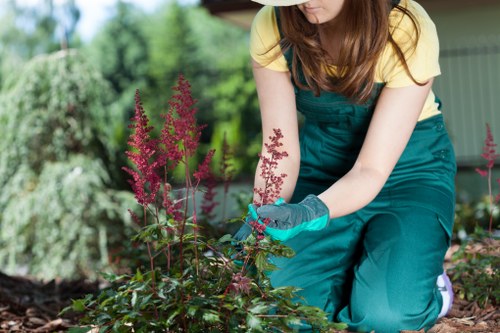
Lawns in Tottenham often face a familiar set of problems. Moss is one of the most common, especially in shaded or damp areas. It can spread quickly when grass is weak or soil is poorly drained. While moss may look soft and harmless, it competes with grass for space and nutrients. Tackling moss usually means improving light levels where possible, aerating compacted soil, and adjusting feeding to support the turf.
Weeds are another frequent issue. Dandelions, clover, daisies, and plantain can invade thin areas and spread across the lawn if left unmanaged. A strong, dense lawn is the best long-term defence against weeds, but selective treatments and regular maintenance may also be needed. Good lawn care in Tottenham combines prevention with targeted action, helping stop weeds before they become established.
Patchiness, bare spots, and yellowing are also common concerns. These symptoms can be caused by poor soil health, overwatering, underfeeding, pests, or repeated wear. Pet urine spots, for example, often leave brown marks, while shaded corners may struggle to fill out naturally. The solution usually involves identifying the cause and applying the right fix, such as overseeding, top dressing, or changing the mowing routine. A healthy lawn is built on diagnosis as much as treatment.
How to Improve Soil Health for Better Grass Growth
Soil health is the foundation of successful lawn care in Tottenham. If the soil is compacted or low in nutrients, grass will struggle no matter how often it is mowed. Aeration is one of the most effective ways to improve soil structure. By creating small holes in the ground, aeration allows air, water, and nutrients to reach the roots more easily. This is especially useful in busy gardens where the ground has become hard over time.
Top dressing is another helpful method. A thin layer of suitable compost or lawn dressing can level the surface, improve soil quality, and support new growth. It works especially well after aeration or overseeding. In Tottenham, where lawns may have uneven patches due to use or old landscaping, top dressing can make a noticeable difference to both appearance and performance.
Testing soil pH may also be worthwhile. Grass generally prefers a slightly acidic to neutral soil. If the pH is too low or too high, nutrients may not be absorbed efficiently. Adjusting the soil conditions can lead to better colour, stronger roots, and less moss. Good lawn care starts below the surface, and healthy soil rewards you with healthier grass above it.
Simple soil-improving practices include:
- Aerating compacted areas at least once or twice a year
- Applying top dressing after scarifying or reseeding
- Using fertiliser suited to the season and lawn condition
- Avoiding excessive watering that can encourage shallow roots
- Clearing leaves and debris so the soil can breathe
Mowing Techniques That Support Lawn Health
Mowing is one of the most visible parts of lawn care in Tottenham, but technique matters just as much as frequency. Many people assume shorter grass looks cleaner, yet cutting too low can weaken turf and expose the soil to stress. The best mowing height depends on the season, the grass variety, and how much sun or shade the lawn receives. In general, leaving the grass a little longer supports stronger roots and better moisture retention.
Sharp mower blades are essential. Dull blades tear grass rather than cut it cleanly, leaving ragged edges that can turn brown and increase the risk of disease. Regular blade maintenance produces a cleaner finish and improves the overall appearance of the lawn. If you want a polished result, mowing in alternating directions can also help prevent ruts and encourage upright growth.
Clippings can sometimes be left on the lawn if they are short and dry, as this can return small amounts of nutrients to the soil. However, during periods of rapid growth, heavy clippings should be removed to prevent smothering. Consistent, careful mowing makes a big difference to lawn quality over time.
Watering and Drainage: Finding the Right Balance
Watering is important, but too much or too little can both cause problems. In Tottenham, some lawns receive enough natural rainfall for much of the year, while others may dry out quickly in summer or suffer from poor drainage after heavy rain. The goal is to keep the root zone moist without making the surface waterlogged. Deep watering is usually better than frequent light watering because it encourages roots to grow deeper into the soil.
Drainage issues are particularly common in clay soils. If water pools on the surface after rain, the lawn may need aeration, improved soil structure, or even landscape adjustments. Persistent waterlogging can suffocate roots and make moss worse. Raising low areas, reducing compaction, and removing thatch can all help. In some cases, a drainage solution may be the most effective long-term fix.
Knowing when not to water is just as important as knowing when to water. Wet lawns should be left alone to dry out naturally, and watering is best done in the early morning to reduce evaporation. A careful watering strategy helps conserve resources while keeping your lawn healthy and resilient.
Watering tips for better results:
- Water deeply rather than lightly and often
- Focus on dry areas instead of soaking the whole lawn unnecessarily
- Avoid watering in the heat of the day
- Check for drainage problems after heavy rain
- Adjust the schedule during cooler or wetter periods
Weed, Moss, and Disease Control for Tottenham Lawns
Weed and moss control is a major part of lawn care in Tottenham because these issues can quickly dominate weak turf. Preventing them starts with maintaining a dense, healthy lawn. Grass that is well-fed, properly mowed, and soil that drains effectively are less likely to be invaded. However, when weeds or moss have already established themselves, treatment may be required alongside general maintenance.
Moss often signals a deeper issue such as shade, compaction, or poor fertility. Removing the moss alone is not enough if the underlying cause remains. That is why scarifying, aeration, and feeding are often used together. Weed control may involve hand removal in small lawns or selective treatment in larger areas. The key is to prevent spread before weeds set seed and multiply.
Disease can also affect lawns, especially in damp conditions or when grass is cut too short. Fungal patches, yellowing, or slimy areas may indicate a problem. Good airflow, correct mowing, and balanced feeding usually help reduce risk. Healthy turf is the best disease defence, and careful maintenance gives the lawn a much better chance of staying strong.
Overseeding and Lawn Recovery in Tottenham
Overseeding is an excellent way to repair tired or thin lawns. It involves spreading new seed over the existing turf to fill gaps, improve density, and refresh the overall look. In Tottenham gardens, overseeding is especially useful after heavy use, harsh weather, or moss removal. When combined with aeration and top dressing, it can transform a patchy lawn into a thicker, greener surface.
Choosing the right seed mix matters. Some lawns need a shade-tolerant blend, while others benefit from a hard-wearing variety suitable for play areas or family gardens. Sowing at the right time of year, usually in spring or early autumn, gives the seed the best chance to establish. The lawn should be kept moist during germination, and foot traffic should be reduced while new grass develops.
Recovery is often gradual, but the results are worth it. A lawn that has been overseeded properly will usually look fuller, feel more resilient, and resist weed invasion more effectively. Fresh growth is one of the clearest signs of a lawn that is moving in the right direction.
When overseeding works best:
- After scarifying to remove thatch and moss
- After aeration to improve seed-to-soil contact
- On thin lawns with bare patches
- Following seasonal stress or drought damage
- In early autumn or spring for stronger establishment
Why Professional Lawn Care in Tottenham Can Be Worth It
Some homeowners enjoy maintaining their own lawns, while others prefer to save time by hiring professionals. Professional lawn care in Tottenham can be especially useful if your garden has recurring problems such as moss, drainage issues, uneven growth, or persistent weeds. A trained approach can identify the underlying cause quickly and apply the right treatment without unnecessary trial and error.
Professionals often bring specialist equipment and a more structured maintenance plan. That can include regular mowing, scarifying, aeration, feeding, seeding, and seasonal treatment. For busy households, landlords, and businesses, this level of support can keep outdoor areas looking neat and presentable without creating extra stress. It can also help protect the long-term health of the turf.
Even if you prefer DIY maintenance, a professional service can be useful at key points in the year, such as spring recovery or autumn renovation. Mixing routine care with expert support often gives the best results for lawns in Tottenham. If your goal is a greener, stronger, and more attractive lawn, book your service now and take the next step toward better results.
Choosing the Right Lawn Care Approach for Your Property
Every lawn is different, and the best lawn care in Tottenham depends on your property’s size, shade levels, usage, and soil condition. A small front lawn may need little more than regular mowing and occasional feeding, while a large back garden may require aeration, overseeding, and seasonal treatment. Busy family lawns often need a hard-wearing approach, while decorative lawns benefit from more precise maintenance and a finer finish.
It helps to think about your priorities. Do you want the lawn to look immaculate for entertaining? Do you need it to handle children and pets? Are you trying to recover damaged turf or maintain an already healthy lawn? Answering these questions makes it easier to choose the right care plan. The best lawn strategy is one that matches real-life use, not just appearance alone.
Whatever your goals, consistency is the key. Regular attention prevents small problems from becoming large ones and keeps the lawn improving throughout the year. Contact us today if you want a healthier outdoor space that suits your home, lifestyle, or business premises.
Final thoughts on Tottenham lawn maintenance
Lawn care in Tottenham works best when it combines practical routine with local understanding. The area’s soil conditions, weather patterns, shade levels, and everyday wear all influence how grass grows. By focusing on mowing, feeding, watering, aeration, weed control, and seasonal care, you can create a lawn that looks smart and stays resilient. Whether you are maintaining a private garden or a commercial green space, consistent lawn maintenance brings visible rewards.
For many property owners, a strong lawn is one of the most satisfying features of an outdoor space. It creates a welcoming setting, supports everyday use, and improves the overall feel of the property. With the right lawn care in Tottenham, your grass can become greener, denser, and easier to manage. If you are ready to improve your outdoor space, contact us today and book your service now.