Recycling and Sustainability for Gardeners Tottenham
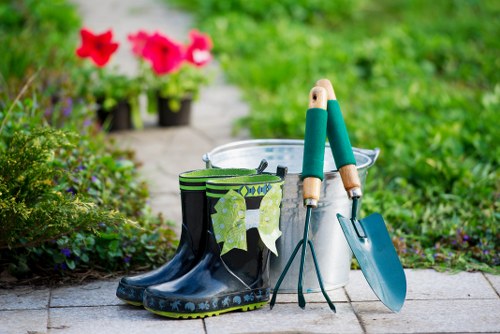 Gardeners Tottenham is committed to working in a way that supports a cleaner, greener borough. Recycling and sustainability are built into our everyday gardening routines, from separating green waste on site to choosing processes that reduce landfill use and lower emissions. As a local gardening team, we understand that residents want outdoor spaces that look good while also reflecting the area’s wider environmental priorities. That means using smart disposal methods, reusing materials where possible, and supporting a circular approach that keeps useful resources in use for longer.
Our recycling percentage target is set at at least 90% of garden waste being diverted from landfill through composting, mulching, reuse, or approved recycling routes. For Gardeners in Tottenham, this target helps keep our work aligned with good environmental practice and encourages careful handling of soil, branches, clippings, pots, and packaging. Where materials cannot be reused directly, they are directed to appropriate recycling channels so that the maximum amount of waste is recovered responsibly.
Tottenham sits within a part of London where borough-led waste separation plays an important role in everyday environmental performance. That includes separating food waste, general waste, dry mixed recycling, and green waste in line with local collection systems. Our team supports this wider approach by keeping reusable garden materials apart from mixed rubbish, making it easier for recycling facilities to process them efficiently. In practical terms, this can mean sorting timber, metal fixings, plastic pots, and organic waste before anything leaves the site.
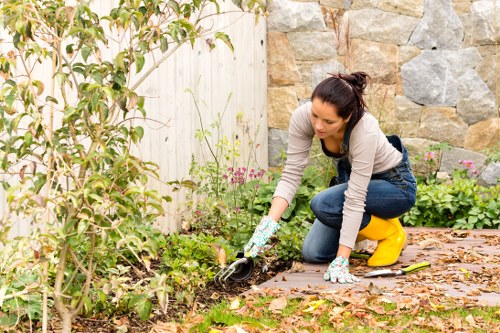 We also make use of local transfer stations and recycling facilities to keep waste movements efficient and well managed. Gardeners Tottenham works with authorised drop-off points and transfer stations in the wider North London area so that green waste, rubble, and recyclable materials can be handled through proper channels. These facilities help reduce unnecessary journeys and allow waste to be sorted for further treatment, whether that means composting green matter or routing bulky materials to specialist recovery plants. By choosing nearby infrastructure where possible, we help reduce transport miles and improve the overall sustainability of each project.
Our approach is not limited to disposal. Gardeners Tottenham sustainability practices also include reusing materials on site whenever suitable. For example, healthy prunings may be chipped and returned as mulch, soil can be screened and reused in planting areas, and suitable hard landscaping materials may be retained for future use. This is particularly valuable in dense urban areas, where space is limited and the environmental cost of importing new materials can be high. A thoughtful recycling process helps keep the work practical, economical, and environmentally aware.
We also support partnerships with charities and community organisations that can benefit from surplus items. Where safe and appropriate, usable plant pots, tools, timber offcuts, and decorative materials may be donated or passed on to charity partners rather than discarded. This supports local reuse networks and gives materials a second life. For Tottenham gardening projects, this can be especially useful when clearing out overgrown spaces, refurbishing beds, or updating outdoor layouts that leave behind items still in good condition.
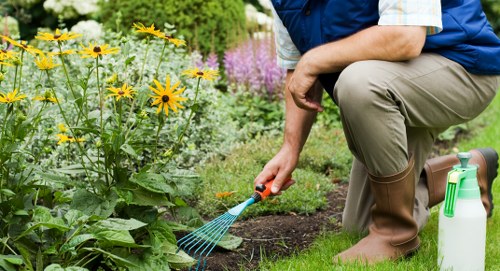 In addition to material recovery, our environmental focus extends to transport. We operate low-carbon vans designed to reduce fuel consumption and lower emissions on the road. These vehicles are chosen to support cleaner local travel between sites, transfer stations, and supply points, helping to reduce the carbon footprint associated with everyday garden maintenance. Combined with efficient route planning and sensible load management, low-carbon vans are an important part of our broader sustainability commitment.
For clients who value environmentally responsible service, Gardeners Tottenham recycling practices offer reassurance that garden work does not have to create unnecessary waste. From hedge cuttings and lawn clippings to old compost bags and damaged planters, each material is assessed for the best possible outcome. Organic waste is prioritised for composting or mulching, while non-organic materials are sent to the correct processing stream. This careful separation helps support borough waste goals and keeps recyclable materials out of general refuse.
We also recognise the importance of working neatly and predictably around homes, communal gardens, and shared outdoor areas. Clear separation of waste types reduces contamination, which is essential because mixed loads are harder to recycle. In areas like Tottenham, where boroughs often place strong emphasis on dry mixed recycling and organic waste separation, this attention to detail matters. Our team follows those expectations by sorting waste at source, using appropriate containers, and making sure that recyclable items are not unnecessarily damaged or mixed with unsuitable debris.
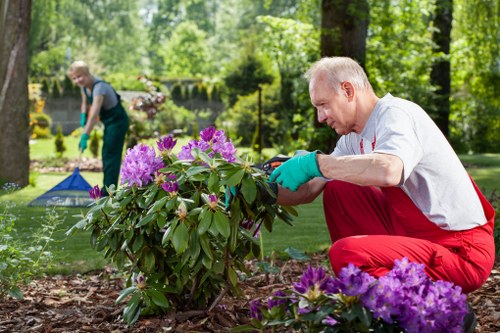 Sustainability also influences the way we select and handle materials during maintenance and clearance jobs. Whenever possible, we choose products with lower environmental impact and encourage long-lasting solutions that reduce the need for frequent replacement. That might include durable planting supports, responsibly sourced soil improvers, or reusable storage options for garden materials. For recycling and sustainability in Tottenham, the goal is to minimise waste generation before it even starts, not just improve how waste is handled afterward.
Another important part of our environmental approach is the handling of green waste after seasonal work. Leaf fall, pruning, and cut-back material can build up quickly, especially in larger gardens and shared spaces. Rather than sending this straight to disposal, we look for opportunities to compost or chip it so it can return to the landscape in a useful form. This keeps nutrients in the local system and supports healthier soil structure over time, which is a practical example of circular gardening in action.
Where projects involve larger clearances, we maintain a strong focus on sorting, reuse, and lawful disposal. Items such as broken terracotta, treated wood, metal fixtures, and plastics are separated so they can be directed to suitable recovery routes. Any unavoidable residual waste is kept to a minimum. This disciplined method helps Gardeners Tottenham remain aligned with modern sustainability expectations while still delivering efficient, reliable garden services across the local area.
 By combining a high recycling target, use of local transfer stations, charity partnerships, and low-carbon vans, our team supports a more responsible way of caring for gardens in Tottenham. The result is a service that respects both the landscape and the wider environment. Whether the task is routine maintenance or a larger seasonal tidy-up, Tottenham garden recycling is approached with care, purpose, and a strong commitment to reducing waste.