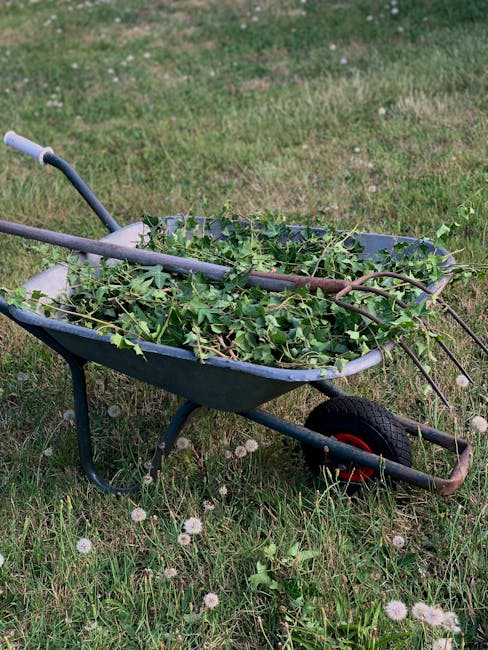
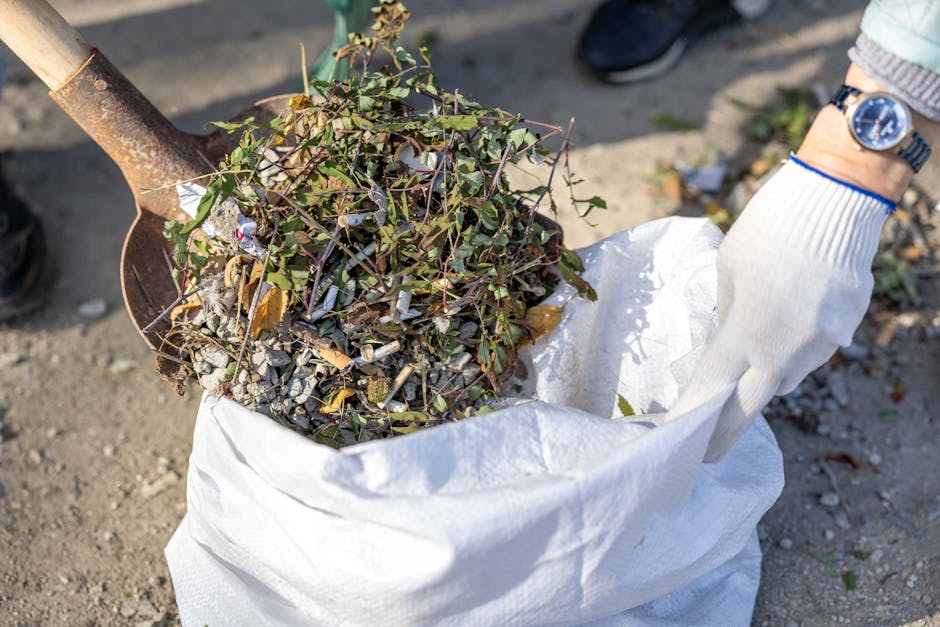
N17 garden clearance and gardeners serving Tottenham residents: a practical local guide
If your garden in Tottenham has tipped from "a bit untidy" into "where do I even start?", you are in the right place. N17 garden clearance and gardeners serving Tottenham residents is about more than dragging bags of green waste to the kerb. It is about restoring usable space, making the garden safer, and creating a base you can actually maintain without feeling overwhelmed every weekend.
In our experience, most people do not call for clearance because they want perfection. They call because the garden has become awkward to use, a little risky, or simply too much to handle on their own. That might mean overgrown beds, ivy clinging to fences, a lawn buried under weeds, or old pots and broken bits that have somehow multiplied. The good news? A sensible clearance plan can turn things around faster than you might expect.
Table of Contents
- Why it matters
- How the service works
- Key benefits and practical advantages
- Who this is for
- Step-by-step guidance
- Expert tips for better results
- Common mistakes to avoid
- Tools, resources and recommendations
- Law, compliance, standards and best practice
- Options and comparison
- Case study
- Practical checklist
- Conclusion
- Frequently asked questions
Why N17 garden clearance and gardeners serving Tottenham residents Matters
Tottenham gardens are often compact, varied, and busy-living friendly. That can be brilliant, but it also means neglected spaces show their problems quickly. A small patch of weeds can spread into borders. Wet leaves can make paths slippery. Ivy can creep into timber and around gutters. A garden that used to be charming starts feeling like a chore the moment growth gets ahead of you.
Garden clearance matters because it resets the space. It is the difference between constantly fighting the garden and getting back to shaping it. For homeowners, landlords, tenants, and property managers in N17, that can mean a safer entrance, better light, better drainage, and less stress when you step outside. Not glamorous, perhaps. But very real.
There is also a longer-term angle. Once the clutter and overgrowth are removed, it becomes easier to plan maintenance properly. You can see what needs pruning, what should stay, what ought to be replaced, and which areas could benefit from a simpler planting scheme. That kind of clarity is surprisingly valuable. To be fair, half the battle is just being able to see the garden again.
For many Tottenham residents, a cleared garden also supports family life and everyday routines. Kids need safe space to play. Pets need fewer hazards. And if you enjoy sitting out with a coffee when the weather behaves itself, a tidy and cleared space is a lot more inviting. One morning in spring can feel very different once the garden has been brought back under control.
How N17 garden clearance and gardeners serving Tottenham residents Works
A proper garden clearance service usually begins with a walk-through and a realistic assessment. The aim is not to rush in with shears and hope for the best. It is to understand the size of the job, how much waste is involved, whether there are access issues, and what needs careful handling. In a dense urban area, that matters a lot more than people realise.
Typical clearance work may include removing brambles, cutting back heavy growth, clearing leaves and branches, lifting dead plants, tidying borders, and taking away accumulated waste. If the garden has hard surfaces too, a gardener may combine clearance with patio cleaning or edge tidying so the whole space feels refreshed rather than half-done.
After the heavy lifting, many residents choose to pair clearance with a more ongoing plan. That might be regular garden maintenance, lawn recovery, hedge management, or light replanting. In practice, the best jobs often move from clearance to maintenance. That way, you are not paying to fix the same problem every season.
A thoughtful gardener will also separate what can be composted, what needs bagging, and what should be disposed of responsibly. If the green waste is manageable, some of it may be suitable for composting rather than binning straight away. The article on organic waste and soil health is a useful reminder that not everything removed from the garden is actually "waste" in the final sense. Sometimes it is future soil structure, just waiting for a better form.
For larger or more technical jobs, a clearance plan can overlap with hedge reduction, stump-related advice, or tree work. If branches are overhanging, damaged, or posing a safety issue, the gardener may suggest involving tree surgery rather than forcing everything into a general clearance. That sort of judgement is a good sign, by the way.
Key Benefits and Practical Advantages
The most obvious benefit is space. Clearing a garden gives you back room to walk, sit, plant, and breathe. But the quieter benefits are often the ones people appreciate most after the job is done.
- Improved safety: fewer trip hazards, less slippery debris, and better visibility across the garden.
- Better plant health: light, air, and access improve once overcrowding is removed.
- Easier upkeep: maintenance becomes simpler once the worst of the buildup is gone.
- Better appearance: even a basic clear-up can make a garden feel twice the size.
- Higher usability: you can actually use the space for relaxing, playing, or growing again.
There is also a property-value angle, though it should be handled sensibly. A neat garden does not magically transform a house, but it helps create a stronger first impression. If someone is viewing a home, or if you simply want your own place to feel more cared for, a cleared exterior sends a signal. Quietly, but clearly.
One practical advantage many Tottenham residents notice is reduced frustration around pest and weed pressure. Not every clearance removes the root causes, of course, but a dense, neglected garden gives weeds and pests more room to settle in. Once the clutter goes, you can start managing the garden rather than just reacting to it.
If the garden has been used as a storage spillover, clearance also helps reset the boundary between indoors and outdoors. Old furniture, damaged planters, broken timber, and tangled growth can make a space feel cramped. Remove them and the whole area tends to settle down. The change is often more dramatic than expected. A bit like opening the curtains after months of keeping them shut.
Who This Is For and When It Makes Sense
N17 garden clearance and gardeners serving Tottenham residents is a good fit for several very different situations. Some are obvious. Some are not.
- Homeowners with overgrown or cluttered gardens who want their space back.
- Landlords preparing a property for new tenants or routine inspection.
- Tenants who need to return a garden to a decent standard before moving out.
- Busy families who want a safer, simpler, lower-maintenance outdoor area.
- Older residents who do not want the physical strain of heavy clearance.
- People recovering from a long period of neglect, where the job has just got too large to tackle alone.
It also makes sense after seasonal weather changes. A windy autumn, a soggy winter, or a strong burst of spring growth can all leave a garden looking far worse than it did a few months earlier. If the fence line is hidden, paths are littered, and the lawn has been swallowed by weeds, waiting usually makes things harder.
Sometimes the trigger is simpler: you want to replant, redesign, or install new features but cannot start because the current garden is in the way. That is when clearance becomes the first sensible stage rather than the final one. Without it, even a good design plan can stall before it starts.
And yes, there are times when you might only need a light tidy rather than a full clear-out. A good gardener should be able to tell the difference. Not every garden crisis needs a full rescue mission. Some just need a steady hand and a sharp pair of loppers.
Step-by-Step Guidance
If you are planning a garden clearance in Tottenham, a structured approach will save time, money, and a fair bit of stress. Here is the practical version, without the fluff.
- Walk the space first. Identify what is waste, what is living plant material, and what should stay. It sounds obvious, but rushed clearance often removes useful plants by mistake.
- Decide on priorities. Safety issues, access paths, and heavy overgrowth usually come before aesthetics.
- Remove loose debris. Start with branches, bags, plant pots, and obvious clutter so you can see the structure of the garden.
- Cut back the worst growth. Brambles, tall weeds, and dense hedging often need staged reduction rather than one aggressive cut.
- Lift dead or failing material. Dead annuals, rotting timber, and exhausted plants should go early.
- Separate green waste. Keep compostable material apart where practical, and arrange removal for the rest.
- Check for hidden problems. Once the garden is open, look for drainage issues, damaged fencing, or broken paving.
- Plan the follow-up. A clearance job is only half the story unless you decide how the garden will be maintained next.
If you are handling the job yourself, work in sections. That is the trick. One corner, one border, one strip of lawn. When people try to clear the whole garden in a single sweep, they often end up with half-finished piles and tired backs. Been there, seen that, not pretty.
If the area is heavily overgrown, consider whether it would benefit from a more specialised service afterwards, such as hedge trimming or lawn care. Clearance is a reset. Those follow-up steps make the reset actually stick.
Expert Tips for Better Results
The most effective clearances are usually the ones that respect the garden rather than bulldozing it. That may sound a little poetic, but it is practical too. A garden has structure, even when it looks messy.
First, protect anything worth keeping. If there are established shrubs, bulbs, or climbers that you want to retain, mark them before work starts. It is surprisingly easy to lose them under a tangle of growth.
Second, cut with a future plan in mind. If you know the garden will be redesigned, you do not need to preserve every corner in exactly the same way. On the other hand, if the goal is to keep mature privacy planting, a lighter touch may be wiser. The discussion on privacy-friendly hedges is useful here, especially if your boundary planting is part of the garden's main function.
Third, treat ivy carefully. Ivy is often loved right up until it starts taking over. If it has reached fences, walls, or old masonry, it needs patience and the right approach. The guide on proven ivy removal methods is worth a look if that familiar green takeover is part of your problem.
Fourth, think about what happens next season. If you clear a garden but leave exposed bare soil everywhere, weeds will often be back before you are. Ground cover, mulch, and simple planting schemes can help. Sometimes the smartest fix is not "more work", but a better layout.
Fifth, remember weather. Tottenham weather can turn a tidy garden messy again in a hurry. Wind, rain, and sudden cold all affect what can be cut, lifted, or replanted safely. The article on garden safety during weather changes is a helpful companion if you are planning work across the seasons.
And one small but important note: if you are unsure whether a shrub is dead, dormant, or just having a very dramatic moment, wait before hacking it down. A little restraint saves regret. Gardening does enough surprising things already.
Common Mistakes to Avoid
Most clearance mistakes come from urgency. People want the mess gone and understandably so. But rushing can create more work later.
- Cutting everything at once: this can remove healthy structure and leave the garden looking harsher than needed.
- Ignoring disposal: if waste is not managed properly, the job ends up incomplete and messy again.
- Forgetting access points: a cleared garden still feels awkward if gates, paths, and doorways are blocked.
- Skipping the roots of the problem: weeds and overgrowth return if the soil, drainage, or maintenance routine is ignored.
- Overlooking safety: hidden glass, unstable timber, thorny plants, and damp surfaces can all cause trouble.
Another common error is doing a decorative tidy-up before the structural issues are solved. In other words, moving pots around while the brambles still own the back corner. Nice try, but not quite enough.
There is also the "I will just do it next weekend" trap. If a garden is becoming unsafe or unmanageable, delay can make the work broader and more expensive. That is especially true when roots, self-seeded growth, or damaged fencing start getting involved. A small problem left alone can become a stubborn one, fast.
Tools, Resources and Recommendations
If you are considering a clearance project, the right tools make a huge difference. You do not need every gadget under the sun, but you do need the basics in good order.
- Heavy-duty gloves: essential for brambles, nettles, and rough timber.
- Secateurs and loppers: useful for cut-back work and medium branches.
- Rake and garden fork: practical for collecting debris and loosening compacted areas.
- Strong waste sacks or containers: helps keep the work tidy and manageable.
- Wheelbarrow or sturdy tubs: especially handy if access is narrow.
- Basic pruning saw: better than forcing oversized stems with smaller tools.
If you are still building confidence, the article on outdoor garden tools every enthusiast requires is a solid place to refresh the essentials. For beginners, it can also help to read practical starter tips before taking on a large clearance job.
For people who want an easier long-term rhythm, it is often smart to combine clearance with a clear service plan. You might pair it with general gardening services, planned hedge work, or ongoing lawn support. The aim is not a one-off rescue every year. The aim is a garden that stays usable without becoming a part-time job.
If you prefer to reduce future waste, a better planting strategy can help too. The articles on ground cover plants and vertical gardening offer ideas that can keep open areas under control while still making the garden feel lush.
Law, Compliance, Standards, or Best Practice
Garden clearance is not usually a highly regulated activity in itself, but there are still sensible standards to follow. Responsible gardening means thinking about waste handling, safety, neighbour relations, and the condition of shared boundaries.
Green waste should be handled carefully and disposed of properly. If a service is removing waste on your behalf, it should be done in a way that is lawful and tidy, with the property left in a clean condition. If you are doing the work yourself, avoid blocking pavements, shared access routes, or communal areas with cuttings. That kind of thing creates friction quickly, especially in busy London streets.
Safety matters as well. Old gardens can hide broken glass, sharp metal, unstable paving, wasp activity, and uneven ground. A cautious approach is not overkill; it is basic good practice. If there are tall trees, risky branches, or signs of structural damage, a general clear-up should not be used as a substitute for proper specialist assessment.
It is also sensible to respect privacy and boundaries. If hedges or climbers sit on boundary lines, discussion with neighbours may be wise before carrying out major reduction. Not every job needs a committee meeting, of course, but a simple heads-up can avoid unnecessary awkwardness.
For customers who want reassurance around service standards, it can help to review pages such as insurance and safety, health and safety policy, and terms and conditions. Those pages do not make the garden prettier, obviously, but they do tell you a lot about how work is approached.
Options, Methods, or Comparison Table
Not every garden needs the same level of intervention. Here is a simple comparison that may help you decide what fits best.
| Option | Best for | Typical scope | Strengths | Limitations |
|---|---|---|---|---|
| Light tidy-up | Minor mess, seasonal debris, small weed build-up | Leaves, edges, small cuts, basic waste removal | Quick, low disruption, keeps the garden presentable | Not enough for heavy overgrowth |
| Full garden clearance | Neglected gardens, heavy growth, cluttered spaces | Dense weeds, brambles, debris, dead growth, waste removal | Major reset, restores access and visibility | May need follow-up maintenance to last |
| Clearance plus maintenance | People who want long-term control | Clearance followed by regular upkeep | Best for keeping results stable | Requires a simple ongoing plan |
| Clearance with redesign | Gardens being repurposed or renovated | Removal of old growth, preparation for new layout | Creates a strong starting point for new planting or features | Usually takes longer and needs clearer planning |
If your garden still has good bones, you may only need selective clearance rather than a full strip-out. If it has disappeared under growth, honest full clearance is usually the smarter call. There is no prize for pretending a jungle is "just a little untidy".
Case Study or Real-World Example
A typical Tottenham example might look like this: a small rear garden in N17 has become crowded after a few seasons of limited upkeep. The lawn is patchy, weeds have taken over the border, a hedge has crept outward, and ivy has started tugging at a fence line. The owners are not trying to create a show garden. They simply want the space back for summer use and easier weekly care.
The first pass focuses on removing waste, cutting back the hedge, lifting dead material, and clearing the main path. Once the garden is visible again, the gardener can judge what is worth saving. A few healthy shrubs stay. A climbing plant is redirected rather than removed. The lawn gets basic recovery attention. The fence is cleaned up, and the border is made simpler so weeds do not have quite so many places to hide.
At the end, the garden is not "finished" in the grand design sense. It is usable, safer, and lighter to maintain. That is often the real win. A week later, the owners are sitting outside with a cup of tea instead of apologising for the mess every time they open the back door. Small moment, big relief.
This is why a good clearance job should be judged on usability as much as appearance. Does the space work again? Can you walk through it without hesitation? Can you see what needs doing next? If the answer is yes, the job has done its work.
Practical Checklist
Before you book or begin a clearance, run through this list. It keeps the job grounded.
- Identify the main problem areas in the garden.
- Decide what must stay and what can go.
- Check whether there are hidden hazards.
- Separate green waste from non-organic rubbish.
- Consider access for tools, waste bags, and removal.
- Think about whether hedge, lawn, or tree follow-up will be needed.
- Review whether the garden needs maintenance after clearance.
- Confirm any neighbour or boundary considerations if relevant.
- Plan the next season, not just the next day.
- Set a realistic budget and timeframe.
That last one matters more than people think. A garden can only be maintained at the level the household can actually support. Simpler is often better, especially if life is already busy.
Get a free quote today and see how much you can save.
Conclusion
N17 garden clearance and gardeners serving Tottenham residents is really about getting your outdoor space back under control in a way that feels practical, safe, and manageable. Whether the job is a heavy clear-out, a seasonal tidy, or the first step in a bigger garden improvement, the best results come from clear priorities and steady follow-up.
The most successful gardens are not always the fanciest ones. Often, they are the ones that have been cleared with care, maintained sensibly, and shaped around how people actually live. If your Tottenham garden is ready for that kind of reset, start with the basics and keep the next step simple. The difference can be bigger than you expect.
A garden does not need to be perfect to feel welcoming. It just needs room to breathe.
Frequently Asked Questions
What does garden clearance usually include?
It usually includes removing weeds, brambles, dead plants, leaves, branches, and general garden clutter. It may also include waste bagging, basic cutting back, and preparing the space for ongoing maintenance or future planting.
How is garden clearance different from regular maintenance?
Clearance is the reset stage. Maintenance is the ongoing care that keeps the garden under control after the reset. In many cases, people need both, but not at the same time. Clearance comes first when the space has become overgrown or cluttered.
Can a clearance job include hedge cutting and lawn work?
Yes, it often can. If the garden needs shaping as well as clearing, hedge work and lawn care may be added to the job. That makes particular sense when overgrowth has affected the whole garden rather than one corner.
How do I know whether I need a full clearance or just a tidy-up?
If you can still walk through the garden easily and most of the work is leaves, borders, or light overgrowth, a tidy-up may be enough. If paths are blocked, weeds are dense, or waste has built up over time, a full clearance is usually the better fit.
What happens to the waste after a garden clearance?
Green waste is normally separated from other rubbish and disposed of responsibly. Some organic material may be suitable for composting, while other items need removal. Good practice is to leave the space clean and not pile waste awkwardly on site.
Is garden clearance safe to do myself?
It can be, if the job is small and you have the right tools. But larger clearances can involve thorns, unstable surfaces, hidden debris, and heavy lifting. If the garden is badly overgrown or access is awkward, professional help is usually the safer route.
What should I do before a gardener arrives for clearance?
Move personal items, unlock access points, and identify anything you want kept. It also helps to point out problem areas or hazards. A quick walk-through at the start saves confusion later.
Can clearance help with ivy and overgrown fences?
Yes, though ivy often needs careful handling. If it has spread into fences, walls, or timber, it should be treated thoughtfully rather than yanked off blindly. The right approach depends on how established it is and what it has grown over.
How often should a Tottenham garden be cleared or tidied?
That depends on the size of the garden, planting style, and how much use it gets. Some gardens need seasonal clearance, while others only need a light tidy a few times a year. Gardens with fast growth usually benefit from a more regular plan.
Will garden clearance improve how my property looks?
Almost always, yes. Even a straightforward clearance can make a garden feel larger, brighter, and more inviting. It is one of the quickest ways to improve the outdoor impression of a property without starting a full redesign.
Should garden clearance be followed by maintenance?
Ideally, yes. Clearance is the initial clean slate, but maintenance keeps the space from sliding back into chaos. A simple follow-up plan is often what makes the difference between a temporary fix and a lasting improvement.
What if my garden has hidden problems once it is cleared?
That happens quite often, honestly. Once the overgrowth is removed, issues like broken paving, damaged fences, or drainage problems can become visible. Seeing them early is a benefit, because then you can deal with them properly instead of guessing.