Real cost of Tottenham garden maintenance explained by gardeners
If you have ever looked at an overgrown border, a patchy lawn, and a hedge that seems to grow half an inch every time you turn your back, you already know the question that follows: what is the real cost of Tottenham garden maintenance explained by gardeners? The honest answer is that it depends, but not in a vague, hand-wavy way. It depends on the size of your garden, how much work is needed, how often you want it maintained, and whether you are dealing with routine upkeep or a one-off rescue job.
In Tottenham, many gardens are a mix of practical space and hard-earned personal retreat. Some are small and tidy, others are long, shaded, and a bit stubborn. So the price of maintenance is rarely just about "mowing the lawn." It is about time, labour, access, waste removal, equipment, and the level of finish you want. In this guide, we break that down clearly, with the sort of detail gardeners actually use when quoting jobs.
Table of Contents
- Why Real cost of Tottenham garden maintenance explained by gardeners Matters
- How Real cost of Tottenham garden maintenance explained by gardeners Works
- Key Benefits and Practical Advantages
- Who This Is For and When It Makes Sense
- Step-by-Step Guidance
- Expert Tips for Better Results
- Common Mistakes to Avoid
- Tools, Resources and Recommendations
- Law, Compliance, Standards, or Best Practice
- Options, Methods, or Comparison Table
- Case Study or Real-World Example
- Practical Checklist
- Conclusion
- Frequently Asked Questions
Why Real cost of Tottenham garden maintenance explained by gardeners Matters
The cost matters because garden maintenance is one of those services where the cheapest quote can end up being the most expensive mistake. A quick tidy might look fine for a week or two, then weeds return, hedges lose shape, and lawn problems start to spread. On the other hand, overpaying for work you do not need is just as frustrating.
Gardener-led pricing helps make sense of that. A professional usually looks at the garden the way a mechanic looks at an engine: not just the obvious surface, but the hidden effort underneath. Is there heavy pruning? Is the waste bulky? Has the garden been neglected for months? Are there awkward access points, damaged paving, or a fence line that needs careful working around? All of that affects the final figure.
For Tottenham homeowners, landlords, and tenants, the real issue is value. You are not just buying a cut-and-clear job. You are buying time back, kerb appeal, healthier planting, and a space that feels usable again. That is especially true if you are preparing a property for sale, trying to keep a rental in good condition, or simply tired of weekend gardening becoming a never-ending chore. To be fair, once a garden starts slipping, the catch-up work can feel bigger than the garden itself.
It also matters because maintenance needs change through the year. Spring growth, summer mowing, autumn leaf drop, and winter protection all bring different workloads. A good gardener prices for the season and the condition, not just the postcode. That is where the real cost becomes clearer.
How Real cost of Tottenham garden maintenance explained by gardeners Works
Most maintenance quotes are built from a few core ingredients. First comes the garden assessment. A gardener will usually look at size, layout, condition, and the tasks required. Then they estimate the labour time, the tools needed, and whether waste must be removed. If the job needs specialist work, such as hedge reduction or tree-related tasks, the price can rise quickly.
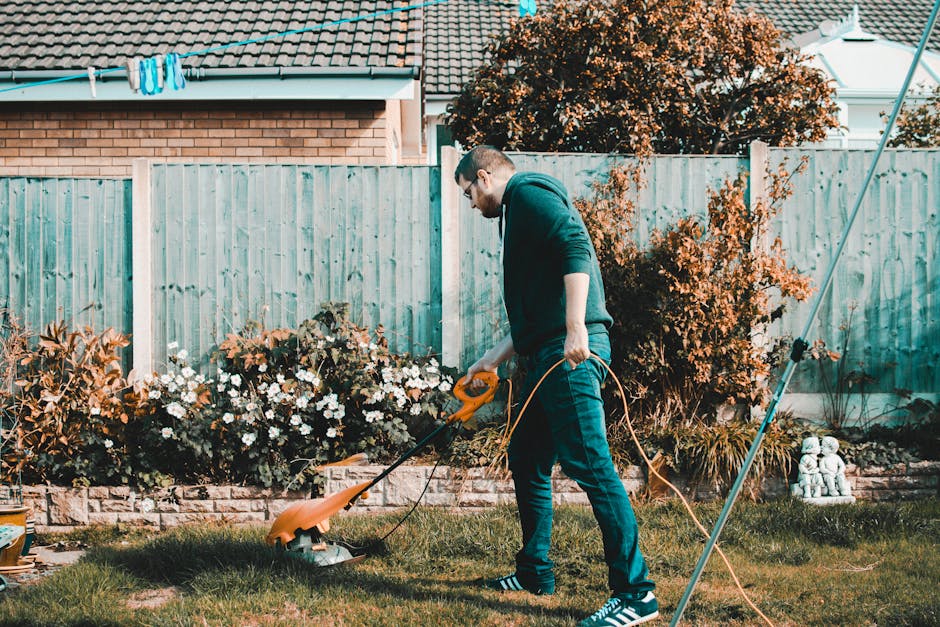
A simple garden maintenance visit might include mowing, edging, weeding, deadheading, leaf clearance, and a tidy-up of paths or borders. A more involved visit might also include hedge trimming, pruning, pressure cleaning, soil improvement, and resetting beds. If you want an ongoing plan, the cost per visit may be lower than a one-off emergency clean-up because the garden is kept under control. That is a real difference, and it often surprises people.
Gardeners also think in terms of labour intensity. A compact courtyard with pots and a few beds may still take time if it is crowded with weeds or clutter. A larger garden might be easy to work in but take longer because of distance, access, or the amount of green waste. In practice, the work is priced by effort, not just square footage. Not always, but mostly.
If you are comparing maintenance to separate services, it helps to understand the scope. Some customers bundle routine work under garden maintenance, while others split out tasks like lawn mowing, hedge trimming, or lawn care. The more fragmented the job, the more you should ask whether a package price makes sense.
One useful way to think about it: maintenance is not a single product. It is a bundle of small jobs, some quick and some surprisingly time-consuming. That is why two gardens that look similar at first glance can come back with very different quotes.
Key Benefits and Practical Advantages
The obvious benefit is a tidy garden. But the real value goes deeper than appearance. Regular maintenance keeps plants healthier, reduces the build-up of weeds, and stops small issues from snowballing into expensive problems later. A border that is lightly weeded every few weeks is far cheaper to maintain than one that has gone feral for a season. You know the type. We have all seen it.
There is also a financial benefit. If a gardener can keep a space in good shape consistently, the garden usually needs less heavy labour over time. That means less stripping back, less disposal, and fewer dramatic "rescue" visits. In local terms, that can be the difference between an easy monthly visit and a long, costly spring overhaul.
Then there is safety. Overgrown paths, slippery patios, and unstable climbing growth can all become hazards. If you have children, pets, or elderly family members using the garden, routine upkeep becomes more than cosmetic. It becomes practical care. The same logic applies if you need help keeping the garden safer through weather changes, which is something many households now think about more seriously. For that, it can help to look at garden safety during weather fluctuations and plan maintenance around seasonal risk.
A well-maintained garden can also support better use of the space. If you are trying to create a calm corner, a child-friendly zone, or a more welcoming seating area, regular care keeps the layout working the way you intended. There is nothing restful about trying to relax next to a thicket of nettles, let's face it.
Who This Is For and When It Makes Sense
Tottenham garden maintenance makes sense for a wide range of people, but the reason for booking it changes from household to household. A busy family might want help simply because there is no spare weekend left. A landlord may need the garden kept presentable for tenants or inspections. An older homeowner may want ongoing support because heavier jobs are no longer practical. And some people just know that they enjoy the garden best when someone else handles the repetitive parts. Fair enough.
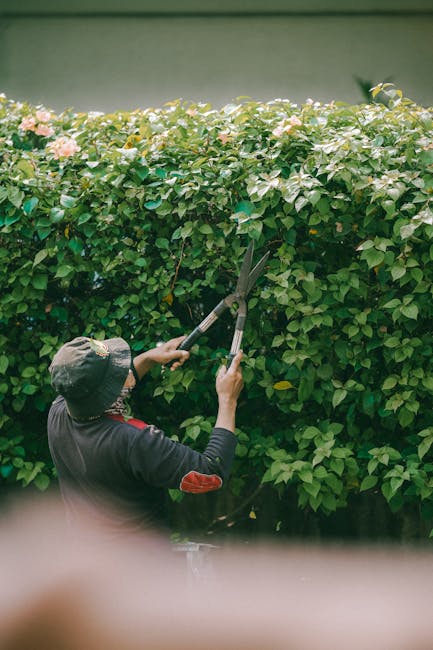
It is especially useful if your garden includes features that need more than occasional attention. Hedges can grow quickly and become costly if left too long, which is why many people pair routine maintenance with privacy hedge planning or call in help through hedge trimming. Likewise, ivy on walls, fences, or outbuildings may look charming for a while, then turn into a stubborn job that takes proper removal methods. That kind of issue can change the quote completely, as explained in these ivy removal methods.
It also makes sense when you want a garden to support a specific lifestyle. Maybe you are using the space for outdoor dining, children's play, or a more structured planting style. In those cases, maintenance is not just cleaning up. It is keeping the design functional. If you are building a garden around family use, you may also find ideas in creating a garden wonderland for little ones.
And if your garden feels too far gone, maintenance can still be the right first step. A neglected space does not always need full landscaping. Sometimes it needs a proper reset and then a simple routine to hold the line.
Step-by-Step Guidance
If you want to understand the real cost before you book, here is the most useful approach. It is not fancy, just practical.
- Walk the garden honestly. Look at what is actually there, not what you hope is there. Note weeds, hedge length, grass condition, awkward access, and waste piles.
- List the jobs in plain English. Mowing, edging, pruning, leaf clearance, border tidy-up, patio sweep, hedge shaping, and green waste removal are all different cost factors.
- Separate routine work from one-off work. Regular maintenance is usually more efficient than a full recovery visit after months of neglect.
- Decide how often the garden needs attention. Weekly, fortnightly, monthly, or seasonal visits all change the price and the result.
- Ask what is included. Some quotes include disposal, some do not. Some include materials, some are labour only. That detail matters more than people think.
- Check access and parking. A front garden with easy access costs differently from a rear garden where tools and waste must be carried through the house or up steps.
- Confirm the finish level. A quick tidy-up is not the same as a detailed, presentation-ready finish. Be clear about the expectation.
- Review the quote against the workload. If a quote feels high, check whether the garden simply needs more work than you realised. Sometimes it does.
A small but useful tip: take a few photos before requesting a quote. It helps gardeners judge the workload more accurately and cuts down on guesswork. That tends to improve the pricing conversation straight away.
For people planning on a tighter budget, it is often smarter to spread work over time rather than trying to do everything at once. Efficient garden planning on a budget can save money without letting the garden slip. That is usually the sweet spot.
Expert Tips for Better Results
Experienced gardeners tend to save you money in the long run because they know where the real effort is hiding. A few practical lessons come up again and again.
First, stay ahead of growth. Weeds are cheap to remove when they are small and surprisingly annoying when they are rooted in. The same goes for hedges and climbers. A little attention early on costs far less than a full recovery later. If you want to understand the logic behind this, staying ahead of weed growth is a good mindset to keep.
Second, work with the season. Spring and summer usually demand more frequent cutting, while autumn and winter bring clearing and protection work. Gardens do not behave the same all year, and pricing reflects that. A maintenance plan that ignores the seasons often ends up awkward and expensive.
Third, do not ignore the edges. Paths, patios, fence lines, and borders make a huge difference to how tidy a space feels. A lawn can be cut perfectly and still look rough if the edges are messy. Small detail, big impact.
Fourth, think about plant choice. Some gardens need lower-maintenance structure, not more time. Ground cover, evergreen climbers, and well-chosen hedges can reduce labour over the long term. If that sounds useful, it is worth reading about ground cover plants or evergreen climbers for shady spaces.
Fifth, keep waste under control. Green waste removal can add real cost, especially after pruning or clearance work. Composting some soft waste is sensible where appropriate, and when a gardener can reuse or recycle plant matter responsibly, that helps keep prices sane. A useful read here is organic waste and soil health.
One last thing. Ask for a clear explanation of what is being done and why. A good gardener should not mind that. In fact, the best ones usually welcome it.
Common Mistakes to Avoid
People often make the same costly mistakes when comparing garden maintenance quotes. None of them are dramatic on their own, but together they lead to frustration.
- Comparing only the headline price. A lower quote may exclude waste removal, materials, or follow-up work.
- Underestimating the condition of the garden. A space that looks "a bit untidy" can hide hours of clearance.
- Booking a one-off tidy and expecting permanent results. Without regular upkeep, gardens drift back quickly.
- Not clarifying hedge and tree work. These are often separate tasks and may need specialist handling. For more complex cases, tree surgery may be the right route rather than standard maintenance.
- Forgetting access issues. Narrow side paths, locked gates, and poor parking can add time and cost.
- Assuming all gardens need the same service mix. A container-heavy patio garden is not the same as a long lawn with rear borders.
Another easy mistake is asking for a "full tidy" without being specific. That phrase means different things to different people. One gardener may think light pruning and mowing; another may think full clearance, edging, and waste haulage. Spell it out. Saves everyone a headache.
Tools, Resources and Recommendations
Gardeners bring professional tools, but it helps to understand what is typically used and why it affects cost. Cutting tools, edging equipment, blowers, rakes, pruning gear, and waste bags or bins all support the job. If a visit requires heavier equipment, the labour and transport time may rise. That is normal.
For homeowners who like to keep on top of lighter tasks between visits, a modest set of everyday tools is usually enough. A hand fork, secateurs, lawn rake, shears, stiff broom, gloves, and a reliable mower for smaller lawns can make a real difference. You do not need a shed full of shiny gadgets, despite what the internet may whisper at you on a rainy Tuesday night.
There are also a few useful reading points on the website that can help you plan the garden more intelligently. If your space is a bit vertical or compact, vertical gardening ideas may reduce ground-level maintenance. If you want a more peaceful layout, Zen garden techniques and elegant Zen garden designs show how simple planning can reduce visual clutter and upkeep.
For more practical garden support, these pages are also useful:
- patio cleaning for slippery or dull hard surfaces
- fencing when boundary repairs affect access or privacy
- decking services if timber areas need maintenance alongside planting
- landscaping for bigger changes beyond routine upkeep
And if you are really unsure where to begin, a short conversation is often the best tool of all. Speak to the team and ask for a breakdown of what the garden actually needs. Simple, but it works.
Law, Compliance, Standards, or Best Practice
Garden maintenance is not usually a heavily regulated service in the way some trades are, but there are still important expectations around safety, waste handling, and responsible work. A reputable gardener should work carefully around tools, avoid causing damage, and manage waste in a sensible way. If they are using chemicals, equipment, or working at height, safe practices matter even more.
Best practice also includes clear communication. You should know what is included, what is excluded, and whether any task may need specialist attention. If a job involves climbing, larger trees, difficult boundary work, or potentially hazardous access, it is better to slow down and assess properly than to rush. That is where a service like health and safety policy and proper insurance awareness become reassuring, even if they are not exciting reading. Nobody ever said paperwork was glamorous.
Waste disposal is another practical point. Garden clearances can produce large volumes of green waste, and responsible handling is part of good practice. If material can be composted or recycled appropriately, that is ideal. If not, it should be disposed of properly and transparently. Customers should not be left guessing.
If access, surfaces, or neighbouring boundaries are involved, care and consideration are essential. In dense Tottenham streets, that is more than politeness. It prevents awkward disputes and keeps the job smooth. You also want a gardener who is comfortable explaining why certain tasks cost more, rather than pretending every garden is the same. They are not, and that is the point.
Options, Methods, or Comparison Table
Here is a simple comparison of common maintenance approaches and how they usually affect cost and outcome.
| Approach | Typical use | Cost behaviour | Best for |
|---|---|---|---|
| One-off tidy-up | Overgrown or neglected gardens | Usually higher because of heavy labour and waste | Move-in prep, sale prep, seasonal reset |
| Regular maintenance visit | Routine mowing, weeding, pruning, clearing | Often better value over time | Busy households, landlords, consistent presentation |
| Seasonal package | Spring refresh, autumn clearance, winter prep | Moderate, depends on scope | Gardeners who need help at peak points only |
| Task-specific service | Hedges, lawns, patios, trees | Varies by specialist labour and equipment | Gardens with one main problem area |
In plain terms, if your garden is already maintained, routine visits usually give the best long-term value. If it has been left alone for too long, a one-off restoration may be necessary first, then ongoing visits after that. That progression is common, and there is no shame in it at all.
Some gardens also respond well to smarter design choices. For example, adding the right seating area or shade-friendly planting can reduce later work while improving the space. You can see how that thinking comes together in garden seating and design. A well-planned garden is often cheaper to maintain. Not always, but often enough to matter.
Case Study or Real-World Example
Here is a realistic example from the kind of garden many Tottenham households have: a medium-sized rear garden, a lawn with uneven edges, one overgrown hedge, borders full of weeds, and a paved area with moss and leaf build-up. On paper, it sounds manageable. In reality, it is four or five separate jobs with different time demands.
In a case like that, the gardener would usually start with the hedge and border work, because they create the biggest visual change. Then comes the lawn, edging, and a final clear-up of hard surfaces. If the job is being done after a long gap, waste removal can take a meaningful chunk of the appointment. That is where the quote becomes real rather than theoretical.
What tends to surprise homeowners is that the smallest areas can be the most fiddly. A tiny strip of lawn may take almost no time to mow, but a dense border packed with roots, weeds, and old growth can take much longer. The same is true for hedges with awkward access or thick old stems. The eye sees a "small job"; the gardener sees several layers of labour.
After the first visit, most gardens settle into a much better rhythm. The cost often drops because maintenance becomes prevention rather than recovery. That is the quiet win. Less drama, fewer surprises, and a garden that just behaves itself a bit more.
Practical Checklist
Use this before you request or compare a quote.
- Measure or estimate the garden size.
- List every task you want included.
- Note whether waste removal is needed.
- Check for access problems, steps, or narrow passages.
- Identify hedges, climbers, or trees that may need specialist work.
- Decide whether you want a one-off job or ongoing maintenance.
- Take photos of the garden in daylight.
- Think about seasonal timing and growth level.
- Ask what finish standard you want: basic tidy or detailed presentation.
- Compare the quote against the actual workload, not just the title.
If your garden has been neglected, it may help to read how a neglected garden can be shaped into a retreat. And if winter is coming and everything looks a bit tired, keeping the garden lush through winter can guide your planning.
Conclusion
The real cost of Tottenham garden maintenance explained by gardeners is not a single number. It is a clear picture of labour, condition, access, frequency, and the level of finish you want. Once you understand those pieces, pricing stops feeling mysterious and starts feeling fair. That is the real value here.
For most people, the smartest route is to match the service to the state of the garden. Keep up with small jobs early, bundle regular tasks where possible, and save the heavy restoration work for when it is genuinely needed. A good gardener will help you make that call without overcomplicating it.
Get a free quote today and see how much you can save.
And if the garden has been quietly winning the battle lately, that is alright. A solid plan, a proper quote, and a bit of expert help can turn it around sooner than you think. One step at a time.
Frequently Asked Questions
How much does garden maintenance usually cost in Tottenham?
It varies by garden size, condition, and the tasks involved. A regularly maintained garden is generally cheaper to keep in shape than one that needs a full reset.
Why do two similar gardens get different quotes?
Because the visible size is only part of the story. Access, waste volume, hedge height, weed levels, and how long the work takes all affect the price.
Is a one-off tidy-up more expensive than regular maintenance?
Usually yes. One-off visits often need more time and more waste removal because the garden has been left to build up.
What is normally included in garden maintenance?
Common tasks include mowing, edging, weeding, pruning, hedge trimming, clearing leaves, and tidying borders or paths. Always confirm the exact scope.
Does waste removal change the cost?
Yes. Green waste disposal can add time and handling costs, especially after pruning or clearance work.
How often should I book maintenance?
That depends on your garden and how much control you want over growth. Some gardens need weekly attention in the growing season, while others cope with monthly or seasonal visits.
Can I reduce the cost by doing some jobs myself?
Absolutely. If you clear light clutter, bag small waste, or keep on top of easy weeding between visits, you can make professional visits more efficient.
When should I choose hedge trimming or tree surgery instead of general maintenance?
If the job involves tall, dense, or structurally awkward growth, a specialist service is often more suitable. That keeps the work safer and usually gives a better result.
Is garden maintenance worth it for a small garden?
Yes, especially if the space is used often. Small gardens can look tired quickly, and regular care keeps them functional and inviting.
What should I ask before accepting a quote?
Ask what is included, whether waste removal is extra, how the gardener handles access, and whether the quote is for one-off or ongoing work. Those details matter more than people expect.
How can I tell if a quote is fair?
Compare it against the amount of labour required, not just the garden's size. If the garden is overgrown or hard to access, a higher price may still be reasonable.
Should I choose a maintenance package or pay as needed?
If your garden grows quickly or you want it consistently tidy, a package often gives better value. If you only need occasional help, pay-as-needed can be more flexible.
What if my garden has special features like decking or patios?
That may change the maintenance mix. Hard surfaces often need cleaning as well as plant care, so related services like patio cleaning or decking services can become relevant.
For more guidance on services, standards, and the team behind the work, you can also explore about the company, or review practical details such as pricing and quotes and terms and conditions before you decide.